

What is a mold? Applications in production and manufacturing
Molds play an important role in the production and manufacturing process of high quality products. By using suitable materials and modern machining processes, molds help create precise products that meet customer specifications and standards.
Quick view of content:
What are molds and types of molds?
A mold is a 3D model or drawing that represents the final product or part in the production and manufacturing process. It is an important step to create high quality products and meet market and customer requirements.
In the manufacturing and production industry, there are many different types of molds , each meeting unique production requirements and purposes. Common types of molds include:
1. Precision mold : This mold technology is used to create products with high precision such as electronic components, complex machinery, or technical products that require precise measurement.
2. Hot casting mold : This type of mold is used to produce products from molten metal, often used in the foundry and metallurgy industries.
3. Structural service molds : Used in the production of products with complex structures, such as medical equipment or mechanical components in aircraft and ships.
4. Floating mold : This type of mold is used to produce light and complex parts in shipbuilding, aviation, and other floating products.
These types of mold technologies play an important role in ensuring the accuracy and meeting the technical requirements of the final product. Thanks to the mold, the product inspection and manufacturing process becomes efficient and ensures the quality of the final product.
Method of creating a template
In the production and manufacturing process, mold processing plays an extremely important role, contributing to creating high quality products and meeting market and customer requirements.
The first step is mold design , a delicate process that requires considerable attention and understanding of the final product. From the previously determined requirements and specifications.
The design engineer will create a 3D mold model with high accuracy. This ensures that the mold will accurately reflect the shape and detail of the final product, thereby creating perfect mold designs .
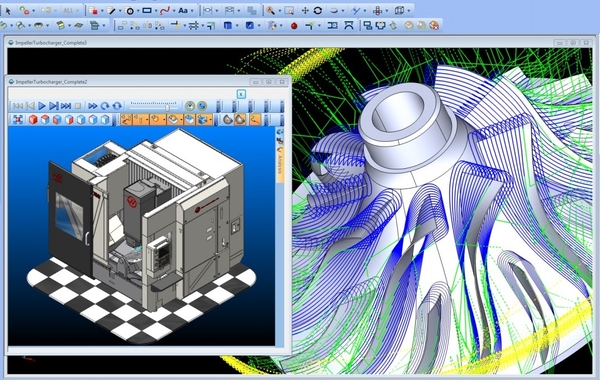
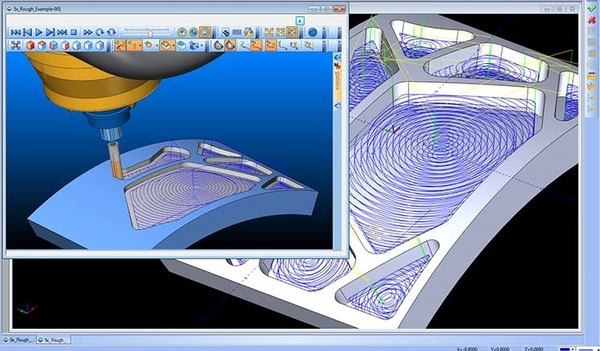
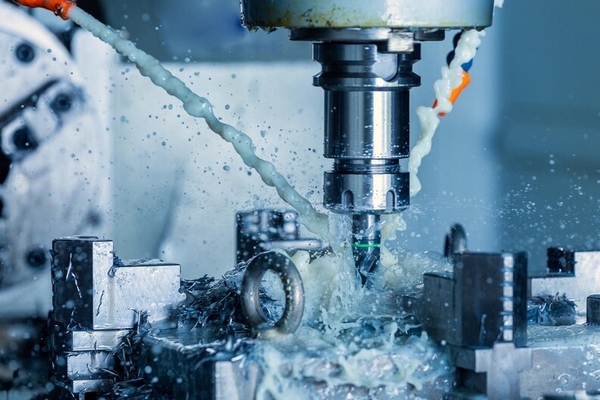
Then, mold machining is an important step to create an accurate mold that meets technical requirements. CNC (Computer Numerical Control) machining technology and 3D printing are often used to create molds from steel materials as suitable molds. CNC machining uses computers to perform precise machining operations, while 3D printing allows for the creation of complex and diversely shaped molds .
Next, the mold will be thoroughly tested and adjusted to ensure accuracy and meet technical requirements. Functional testing of the mold is necessary to ensure that it functions properly and meets the functional requirements of the final product. Polishing the mold to a smooth and beautiful surface is also an important step in this process.
During the mold creation process, a professional mold company plays an extremely important role. This company will ensure that the production process runs smoothly and delivers optimal results. Mold manufacturing requires focus and professionalism from a team of engineers and mold makers, to ensure that molds are created with precision and meet the highest requirements.
The importance of molds in production and manufacturing
Molds play an extremely important and indispensable role in the production and manufacturing process of products. This is a decisive factor in the quality and performance of the final product, and has a great influence on the success of a mold mechanical company.
One of the primary importance of mold manufacturing is ensuring the accuracy and reliability of the product. Precision molding will produce components or final products that are highly accurate and meet technical and skill requirements. This ensures that the product will perform effectively and meet established quality goals.
Not only does it play a decisive role in product accuracy, molds also help reduce production time and costs. By using an accurate and responsive mold , the manufacturing process becomes more efficient and errors are minimized, thereby reducing production time and costs. This contributes significantly to increasing production efficiency and improving profits for businesses.
The next importance of molds in production and manufacturing is checking the functionality and design of the product. Before mass production, molds allow product functionality and performance to be tested under real-world conditions. Necessary adjustments can be made before mass production to ensure that the final product will function properly and meet functional requirements.
In addition, molds also help create products with attractive and aesthetic designs. The surface of the final product can be adjusted and mold polished to obtain a smooth and beautiful surface. This plays an important role in attracting customers and creating credibility with the brand and product.
Quality mold inspection process
The mold inspection process plays an important role in ensuring the accuracy, performance and quality of molds during production and manufacturing. Careful and thorough inspection ensures that the mold fully meets the technical standards and quality requirements of the final product.
1. Check accuracy: The first step in the inspection process is to measure and check the accuracy of the mold. This includes using precision measuring equipment to determine the size and shape of the mold. Engineers thoroughly check each part of the mold to ensure that there are no errors and that the mold components match perfectly.
2. Function test: After ensuring accuracy, the mold will be tested for function. This often includes testing the mold with materials and environmental conditions similar to those during production. By functional testing, engineers can ensure that the mold operates efficiently and meets the final product's specifications.
3. Evaluate materials and surface treatments: Evaluating materials used in molds is an important part of the inspection process. The material must meet the requirements for strength, hardness and heat resistance. In addition, the inspection process also focuses on the surface treatment of the mold. Mold polishing is an important step in ensuring the aesthetics of the final product.
The mold surface is polished
4. Check to meet quality requirements: Finally, the mold will be checked to fully meet the quality requirements of the final product. Engineers ensure that the mold meets all established standards, regulations and specifications.
Combining these detailed inspection steps, the mold inspection process ensures that the final product will be created with high precision, stable performance and meeting the best quality. Performing this thorough inspection helps improve the manufacturing process and ensures mold accuracy throughout the entire product manufacturing and fabrication process.
Mold making costs
Mold making cost is an important factor to consider during production and manufacturing. Molding requires a significant investment, but it is a worthwhile investment because of the long-term benefits it brings .
Factors that affect the cost of creating a mold include the size and complexity of the mold components , the machining technology used , the materials used to make the mold , the number of molds needed to be created, and the completion time. Modern machining technology such as CNC machining and 3D printing can create molds accurately and quickly, but also comes with higher costs compared to traditional machining methods.
Some common materials for making molds are steel, aluminum and plastic. Steel materials for molds often meet the requirements of durability and high pressure resistance, but also have a higher cost than other materials such as aluminum and plastic. Using suitable materials helps optimize mold making costs while still ensuring product quality.
A professional and experienced mold making company usually provides a detailed estimate of mold making costs based on the customer's specific requirements.
Although the cost of precision mold machining can be a large initial investment, it will help optimize the manufacturing process and ensure the accuracy and quality of the final product, thereby bringing economic efficiency and profits for businesses in the future.
Conclude
Quality precision mold machining ensures that the final product is produced efficiently and meets customer requirements. Although some costs are incurred when creating molds, this investment is worth the money in improving production efficiency and achieving the highest product quality.
In addition, you can refer to the Mold Welding machine lines selected by Nam My Laser, which have good quality and bring understanding in your mold making process! With more than 17 years of experience, always ready to serve and bring the best quality products and services to all customers. Your satisfaction is the happiness of South America!
-------------------------------------------------- -----------
THANK YOU FOR YOUR INTEREST
Bài viết liên quan

MÁY CẮT VẢI LASER CÓ NHỮNG ƯU ĐIỂM GÌ NỔI BẬT?

ĐẶC TRƯNG CƠ BẢN CỦA MÁY CNC

CÁC BỘ PHẬN CHÍNH CỦA MÁY CNC


